Insights
Understanding Translation Memory and its Benefits over AI
Read time 6 m
Packaging serves a purpose beyond just containing and protecting its contents—whether it’s for food, cosmetics, electronics, or clothing. While its primary role is to protect products from damage, packaging also plays a critical role in marketing.
Effective packaging is crucial for profitability. Studies show that consumers often base their judgments of a product on its packaging alone. In fact, in a 2018 survey, 72% of American consumers revealed that their purchase decisions were influenced by the design of a product’s packaging. Another key psychological influence according to Forbes? Storytelling on product packaging.
Every product has its own unique story, and packaging provides a platform to share it. Whether it’s the product’s creation journey, the inspiration behind it, or its intended impact, storytelling through packaging adds depth and forms an emotional connection between consumers and products.
As companies enter new markets, maintaining this storytelling through multilingual packaging becomes even more important. Legal standards, such as those from the European Commission, mandate that labels must be easy to understand, visible, legible, and in the official languages of the Member State where the product is marketed.
Multilingual packaging is not only often a legal requirement but also a strategic marketing approach. According to CSA research, 75% of consumers are more likely to make repeat purchases if customer support and information are available in their native language.
For product managers, managing the complexities of packaging translation and multilingual requirements can be challenging. Thankfully, we are living in a time of great technological advancement. Among these, translation memory stands out the most.
What is translation memory?
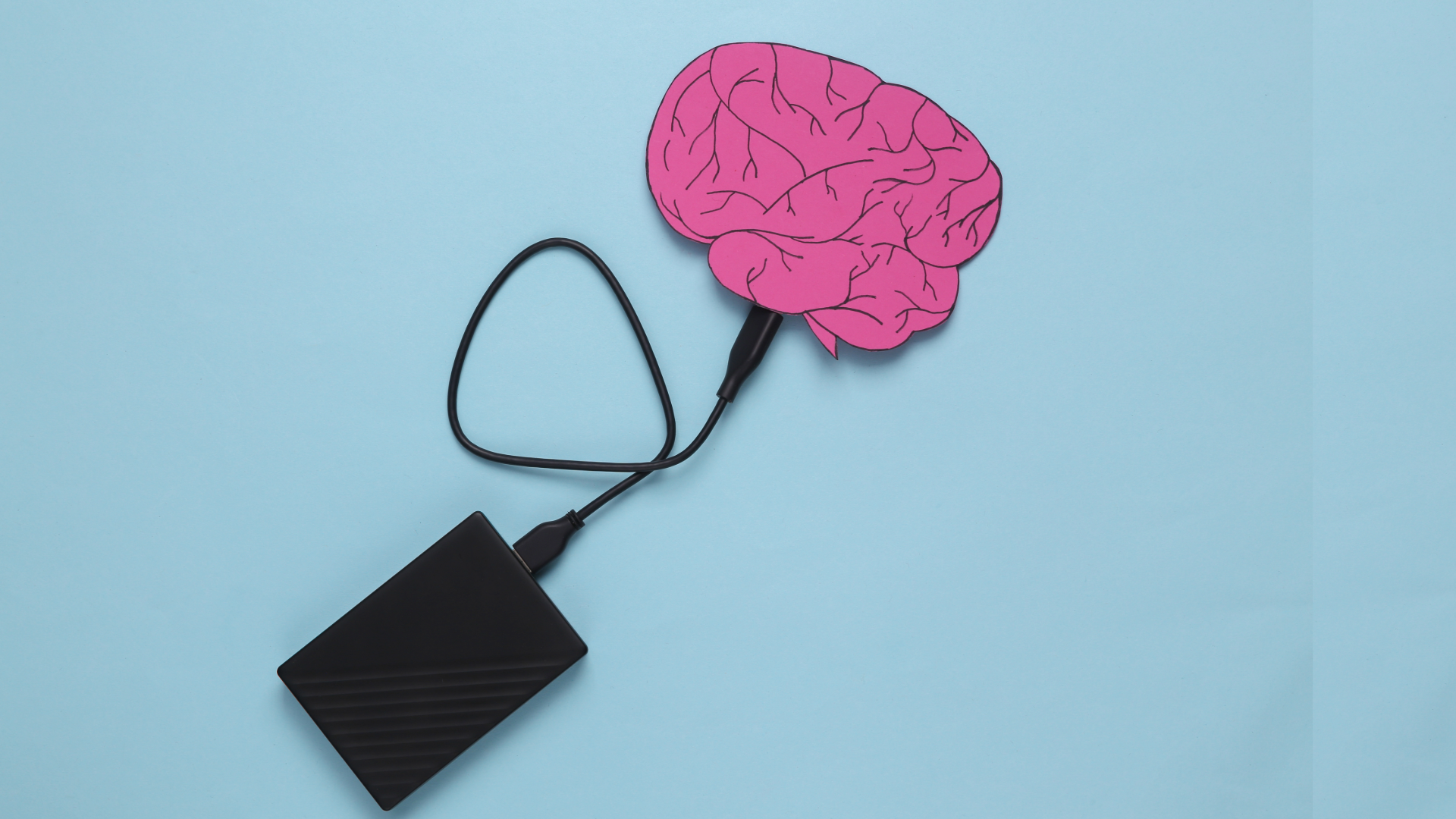
Translation memory software —also known as TM —has come a long way since its introduction in the 1980s. Translation memory is a practical tool that stores pairs of text segments from a source language and their translations in a target language. These segments, known as translation units, can range from entire paragraphs to short sentences, phrases and spreadsheet cells.
For product managers and translators, this means they can avoid the time-consuming task of starting every new translation from scratch. Instead, they can use previously translated material to streamline their work, saving them valuable time and making them more efficient. This is especially useful when working with multiple translators or on large projects, as it helps maintain consistency and saves a significant amount of time.
As more translations are added to the memory, it becomes a more useful resource, making future projects more efficient by allowing for the reuse of existing content. This gradual build-up of the database not only cuts costs but also helps ensure that translations remain consistent and accurate over time.
According to CSA Research, the vast majority of translators using modern CAT tools benefit from using translation memory as part of their workflows. It helps them maintain uniformity and speed in their work. In this article, we will explore the benefits of translation memory in the context of packaging translation. We will compare it to artificial intelligence solutions and discuss why human input remains vital in translation.
How translation memory benefits product managers in multilingual markets
At this point, you might think translation memory sounds like merely a storage tool. It is much more than that, however. In this global world, translation memory is an effective tool for maintaining consistency across all translated materials, which is particularly important for packaging translation. Here are just some of the benefits that can be unlocked:
Consistency across packaging formats
Perhaps the most significant benefit of translation memory in packaging translation is its ability to maintain consistency across various packaging formats and languages. Packaging often includes repeated elements: product names, ingredient lists, legal disclaimers, even the brand story. When using translation memory, previously translated segments are stored. They can be reused across different packaging materials and languages to translate terms and phrases uniformly, maintaining brand integrity while avoiding discrepancies.
Cost savings and resource management
Translation memory is a powerful tool for managing costs more efficiently and optimising resource management. It achieves this by reusing previously translated content, thereby reducing the need for repetitive translation work. This is particularly beneficial for packaging translation, where updates and revisions are common. Translation memory allows translators to focus on new or unique content rather than reworking already translated material, leading to significant cost savings and better resource management. It’s a win-win.
Promoting efficiency for product managers
Product managers have a long list of responsibilities: understanding customer needs, driving product strategy, collaborating with teams, and managing various different projects. This balancing act can be highly stressful and too often leads to burnout amongst product managers. Adding the challenge of managing products in multiple markets and languages only increases the complexity. The time and cost savings of translation memory discussed in the paragraph above streamline the translation process for product managers, making it more time and cost efficient, giving them one less thing to worry about.
Maintaining brand voice and quality
Consistency in translation is also crucial to creating a cohesive and compelling brand voice. Translation memory means that terminology and style remain consistent across different packaging formats and languages, whether it be labels, manuals, or other materials. This is essential for building and preserving brand identity through product packaging in international markets. As the translation memory database grows, it becomes increasingly valuable in upholding high standards of quality and accuracy.
Translation memory vs. AI in packaging translation
We can’t move forward without discussing artificial intelligence. You may wonder how AI fits into this and how it compares to translation memory. The key difference is the human element.
Thanks to its speed and automation, AI has made a significant impact on packaging translation, as it has with other industries. However, product managers should also be aware of its limitations, of which there are many. While AI can quickly process and generate translations at an impressive rate, it often struggles with maintaining consistency and context.
Perhaps, most importantly, AI simply cannot replicate the unique creativity and insight that come from human input. This creative aspect is not just crucial, but irreplaceable for effective storytelling. It often involves conveying subtle emotional tones and complex narratives that AI may not fully grasp. Human creativity adds depth and authenticity to brand & product storytelling, making it an indispensable component of impactful communication.
Remember as well: AI is not infallible. It can misinterpret context and overlook nuances. With its human-approved translation database, translation memory offers far more accurate and context-sensitive results. This means you do not need to worry about inconsistencies or misinterpretations that could affect the branding of your packaging.
The main takeaway from all this? The human element. While AI excels in speed, translation memory relies on human expertise to guarantee accuracy and consistency. In the end, blending technology with human oversight often yields the best results for preserving your brand’s integrity across different languages and markets.
Conclusion
At AST Language Services, we understand the importance of blending human expertise with modern technology. Our human translation and interpreting services, supported by cutting-edge translation memory and CAT tools, ensure not only precise and contextually accurate translations but also help you tell your product’s story and connect more deeply with your audience.
Serving clients across the UK, Europe, and the USA, we are your trusted translation partner. Choose us, and you can rest assured that your packaging translation needs will be handled with the highest quality and consistency. We’re here to help you maintain a strong, unified brand image across all markets. Interested? Get in touch!